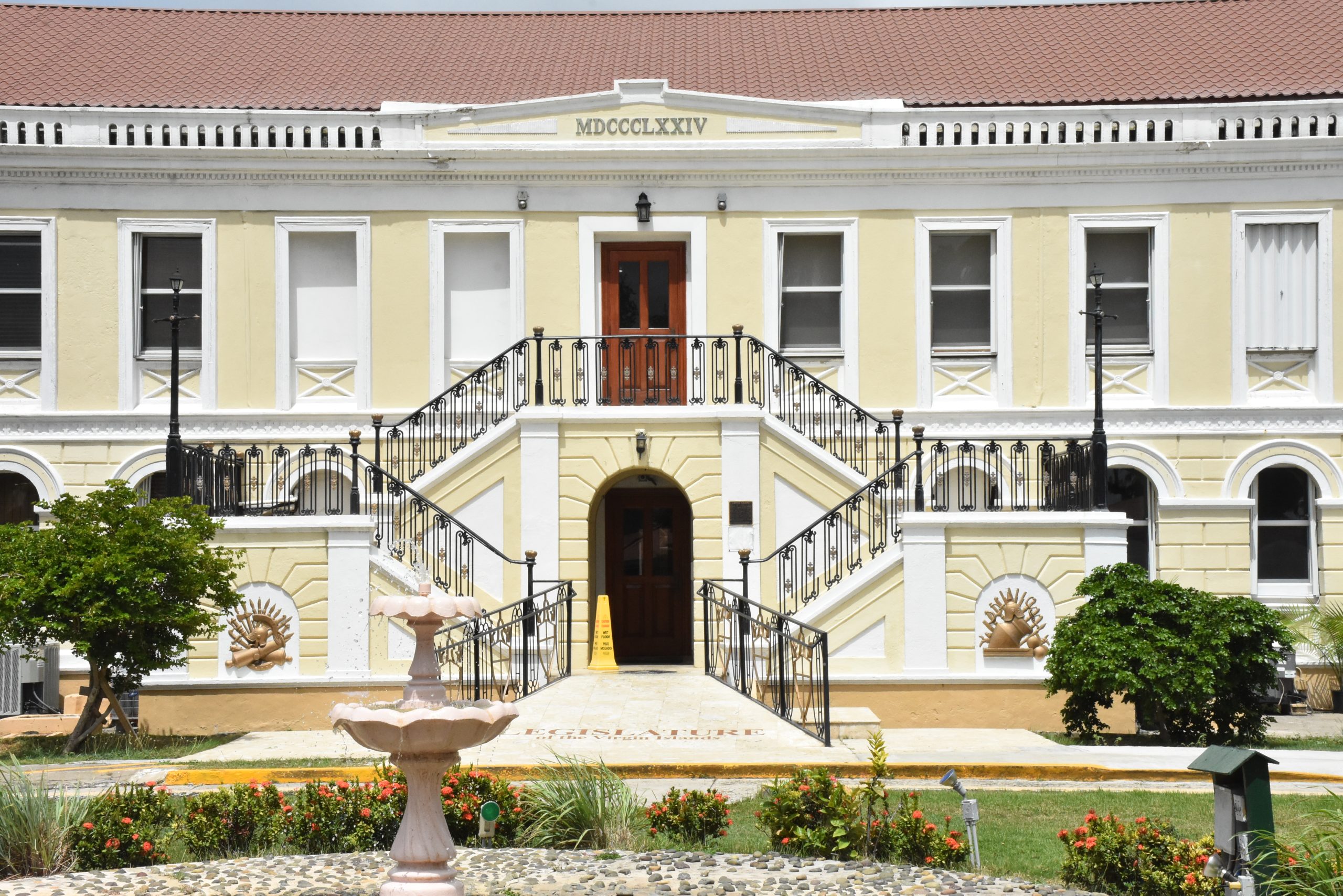
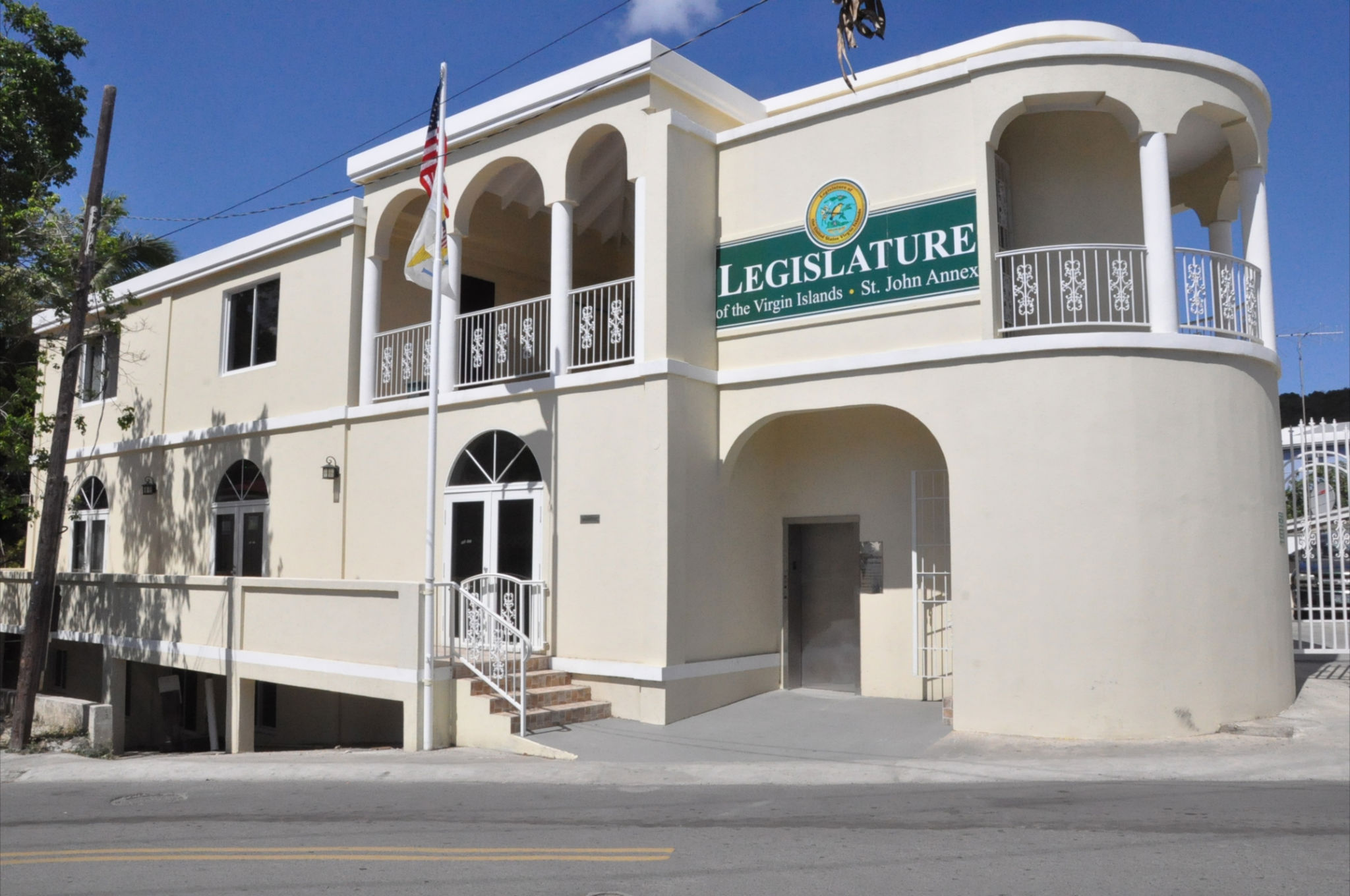
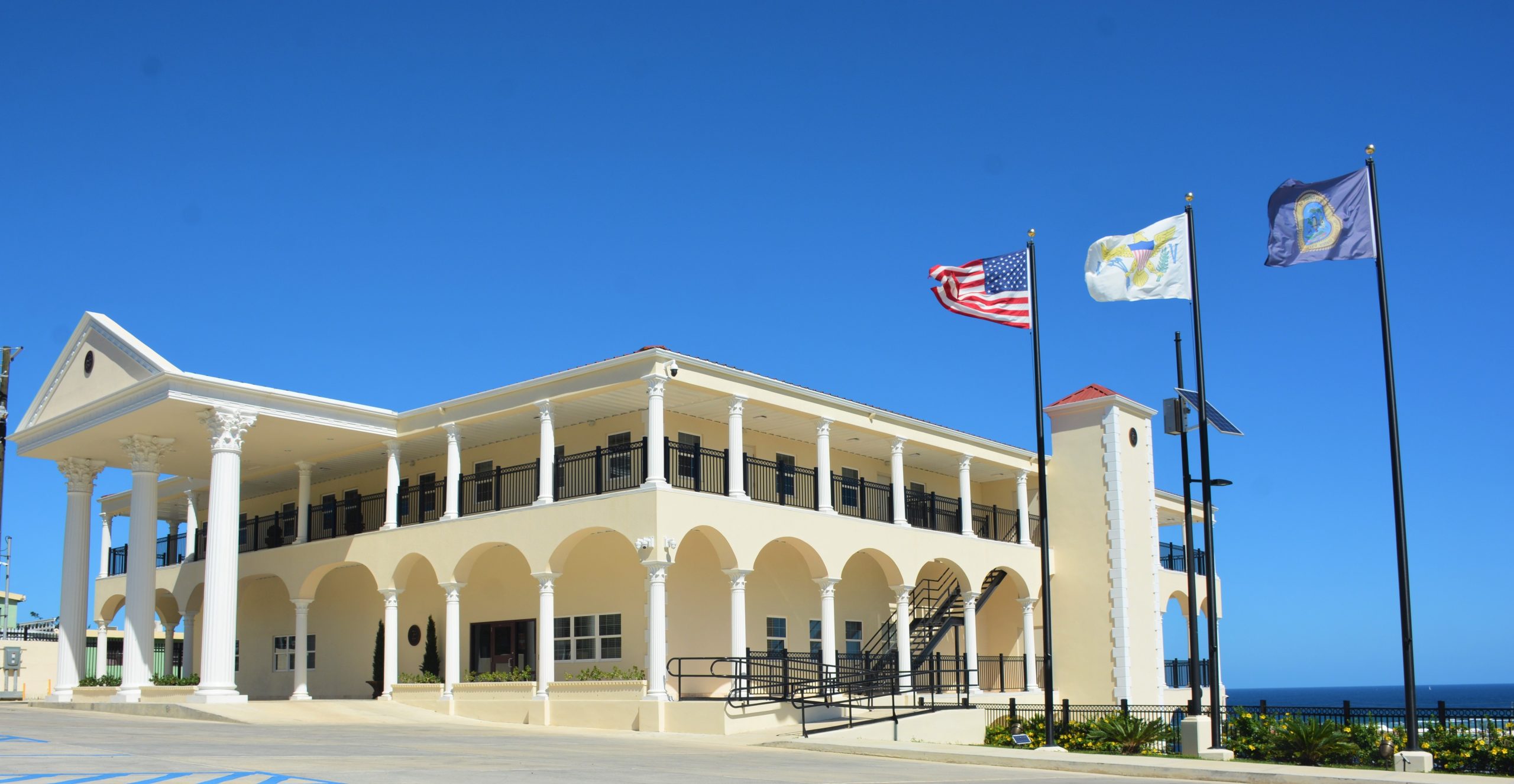
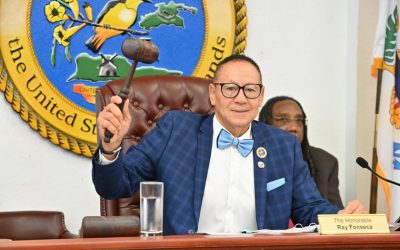
ST. CROIX, VI – The Committee on Economic Development and Agriculture, led by Senator Hubert L. Frederick met in the Fritz E. Lawaetz Legislative Conference Room. Lawmakers received an update on the operations of the West Indian Company Limited. Additionally, policy makers also considered a measure that would urge the United States Congress and the Office of the United States Trade Representative to expand and modernize the Caribbean Basin Initiative. The approved item on today’s agenda will be forwarded to the Committee on Rules and Judiciary for further consideration and action.
Joseph Boschulte, President and CEO of the West Indian Company Limited delivered an update on the operations and status of the agency. Boschulte returned to the role of President and CEO of WICO in October 2025. In Fiscal Year 2025, the US Virgin Islands retained 13 Percent of the Eastern Caribbean cruise industry capacity. Additionally, WICO welcomed 960,147 cruise passengers in Fiscal Year 2025, accounting for approximately 58 percent of the total 1,658,092 cruise passengers in the territory. WICO berthed more than 270 cruise ships, which accounted for 50 percent of all cruise ship calls in the territory. The US Virgin Islands has received notable recognition from the cruise industry. The US Virgin Islands is ranked the Number 1 cruise destination in the Caribbean by Porthole Cruise Magazine, second in average passenger spend at $166, and third in total annual passenger spending at $258 Million in the Caribbean region.
WICO generated $9.4 Million in revenue in Fiscal Year 2025, which was a 14 percent increase from FY 2024. Total operating expenses declined to $6.2 million, a 6 percent reduction from the previous fiscal year. WICO continues to work with the senate to resolve the issue of the PILOT (Payment in Lieu of Taxes). The current liability totals $11.8 million, which includes amounts that were accrued during the COVID-19 pandemic, when cruise operations were halted, as well as disruptions that occurred due to Hurricanes Irma and Maria in 2017. WICO is expected to welcome than 360 cruise ship calls during Fiscal Year 2026, a 30 percent increase from 2025, which will bring more than 1.1 Million cruise ship passengers to St. Thomas. Preliminary projections expect that Fiscal Year 2027 will welcome 362 cruise ship calls. Boschulte asked for the clarification of the PILOT as it relates to WICO saying that it has been difficult for WICO to pay the PILOT due to decreased revenues due to the COVID-19 pandemic due to no cruise ship calls, and the 2017 hurricanes, as well as WICO operating in a budget deficit. However, Boschulte did say an effort would be made to pay some part of the PILOT. Senator Frederick asked about the size of the ships coming into WICO, asking if we had the equipment to accommodate them. Mark Sabino, Director of Marine and Cruise Services, stated that the current length of the WICO dock has maxed out and that available berths are decreasing due to ship length. Sabino voiced the need for increased dredging at the WICO dock.
Lawmakers considered Bill No. 36-0194, An act urging the United States Congress and the Office of the United States Trade Representative to expand and modernize the Caribbean Basin Initiative (CBI) to further support economic growth and development in the Virgin Islands and the wider Caribbean region. The measure was sponsored by Senator Angel L. Bolques, Jr.
Eric Sonnier, Executive Director, University of the Virgin Islands Research and Technology Park delivered testimony in support of the proposed measure. Sonnier argued that the Caribbean Basin Initiative, originally built around goods based trade preferences, no longer reflects the economic realities of the modern Caribbean, where growth is increasingly driven by services, digital industries and innovation. Sonnier emphasized that modernization must incorporate sectors such as software, cybersecurity, energy resilience, advanced manufacturing, and ICT‑enabled services. He highlights the importance of human capital as trade infrastructure, noting that partnerships among universities, research institutions, and private industry—like those already operating through the UVI RTPark are essential for building talent pipelines, fostering knowledge transfer, and supporting SME‑driven innovation across the region.
Additionally, Sonnier empathized the unique role of the US Virgin Islands, both as a United States Jurisdiction and a Caribbean Stakeholder, stating that its position could serve as a bridge between US Policy and Caribbean implementation, as well as a hub for regional collaboration and a platform for innovation led trade. He advised against classifying the USVI as a CBERA beneficiary country since it already receives distinct trade preferences. He stated that the territory should be formally recognized as a strategic partner in CBI Modernization. Sonnier stated that a modernized CBI should strengthen regional competitiveness, support entrepreneurs and align trade policy with the realities of a services driven economy.
Sandra L. Setorie, Executive Director of the Virgin Islands Public Services Commission delivered testimony supporting the measure. Setorie stated that modernizing the Caribbean Basin Initiative to reflect 21st century economic priorities is incredibly important. Setorie’s testimony highlights that that the U.S. Virgin Islands must be prioritized as a key stakeholder in regional development, especially as modernization efforts expand into areas such as digital services, renewable energy, climate resilience, and critical infrastructure innovation. Although the CBI is primarily a trade preference program, Setorie underscores that its modernization would complement the PSC’s mission by encouraging investment, regulatory advancement, and infrastructure improvements across energy, telecommunications, water, and other essential public utility sectors.
Furthermore, Setorie states that an updated CBI could strengthen utility systems by promoting clean energy transitions, expanding broadband and digital infrastructure, improving water and wastewater management, and supporting economic conditions that help maintain fair and reasonable utility rates. Regional economic growth and collaboration supported by organizations like NARUC and OCCUR would improve system reliability and long term resilience for rate payers. Setorie stated that an improved CBI would drive technological innovation, deepen regional partnerships and position the US Virgin Islands as an essential participant in the evolving Caribbean and global landscape.
Dr. Kendra L. Harris, Dean of School of Business at the University of the Virgin Islands delivered testimony supporting the measure. In Harris’ testimony, she highlights the regions projected $157.07 Billion GDP in 2026, and the steady rise in US Imports from CBI countries, which reached $1.876 Billion in 2022. Harris notes that the geographic remoteness of the territory increases cost and complexity of accessing goods, but it also positions it as a valuable logistics and distribution hub for regional and US trade.
Harris explained that the CBI has historically boosted trade between the US and the Caribbean, but faces numerous challenges, including its focus on goods rather than the service sector, and concerns about equitable treatment among trading partners. Harris points to several areas with the potential for growth and modernization, such as logistics and value‑added distribution, food and seafood processing, niche manufacturing, and service exports tied to trade flows. Harris stated that these opportunities highlight the need to update the CBI so it can better reflect the economic realities of the Caribbean region, and maximize the USVI’s potential as a facilitator of regional and global commerce.
Dr. Haldane Davies, Director of the Virgin Islands Bureau of Economic Research supported the measure, stating that the CBI is important to the continued economic growth and development in the Virgin Islands and the wider Caribbean region. The initiative began as a response to circumstances surrounding the safety and security of the Western Hemisphere surrounding the US invasion of Grenada in 1983. As of 2023, and until 2025, the CBI provided 17 countries and dependent territories with duty free access to the US Market for most goods. Dr. Davies argued that the current geopolitical realities and US National Security practices make an expanded CBI incredibly important. Davies called for transforming the CBI from a goods focused program into a stable permanent and collaborative partnership that includes services, flexible rules of origin, development support, aid for trade and greater participation by beneficiary countries.
He stressed the need to align the CBI with modern Caribbean economies that are largely service-based and to promote SMEs, digitization, climate resilience, clean energy, human capital development, and deeper regional integration through CARICOM. Davies highlighted the unique position of the US Virgin Islands as a trade and maritime hub outside of the US Customs Zone and not subject to the Jones Act. He proposed establishing a US international Flag Registry in the territory, developing a secure transshipment hub and expanding maritime education and training to enhance US trade capacity and national security. Davies stated that a modernized CBI, aligned with broader US-Caribbean initiatives could strengthen economic resilience, security, and sustainable growth in the region.
Dr. Justin Ram, CEO of Justin Ram Advisory delivered testimony in support of the proposed measure. Ram’s testimony stated that the CBI has served for more than 40 years as a cornerstone of the United States Caribbean economic relations. However, he stated that it no longer reflects the realities of the current global economy. Evidence from U.S. government assessments shows declining utilization, heavy concentration in a few export sectors, and structural barriers that prevent many Caribbean and U.S. Virgin Islands producers from benefiting. Ram’s testimony emphasizes that modernization, and not expansion is needed to align the Initiative with contemporary economic conditions such as digital trade, climate resilience, and evolving supply chains.
According to Ram through supporting analytical reports, the CBI still generates measurable benefits, however, its design is outdated. Trade flows remain dominated by energy products and apparel, with limited diversification and significant volatility. Many eligible exports enter the U.S. market without using CBI preferences due to complex rules of origin, compliance burdens, and misalignment with modern production processes. Utilization rates vary sharply across countries, revealing that the program works only where structural conditions happen to fit its older framework. Despite these shortcomings, the initiative imposes no meaningful cost on U.S. industries and often supports upstream American sectors. Ram states that modernization would strengthen economic resilience, broaden participation, and support both Caribbean nations and U.S. territories such as the U.S. Virgin Islands. After further discussion, Bill No. 36-0194 was voted upon favorably.
Senators present at today’s Committee hearing included Hubert L. Frederick, Angel L. Bolques Jr., Marvin A. Blyden, Alma Francis Heyliger, Novelle E. Francis, Jr., Marise C. James, Franklin D. Johnson, Carla J. Joseph, and Clifford A. Joseph.
The Division of Public Affairs is committed to providing the community with accurate information on legislative proceedings and other events at the Legislature of the Virgin Islands. Visit legvi.org.
####